Reparations Now: Spotlight on NY District 8
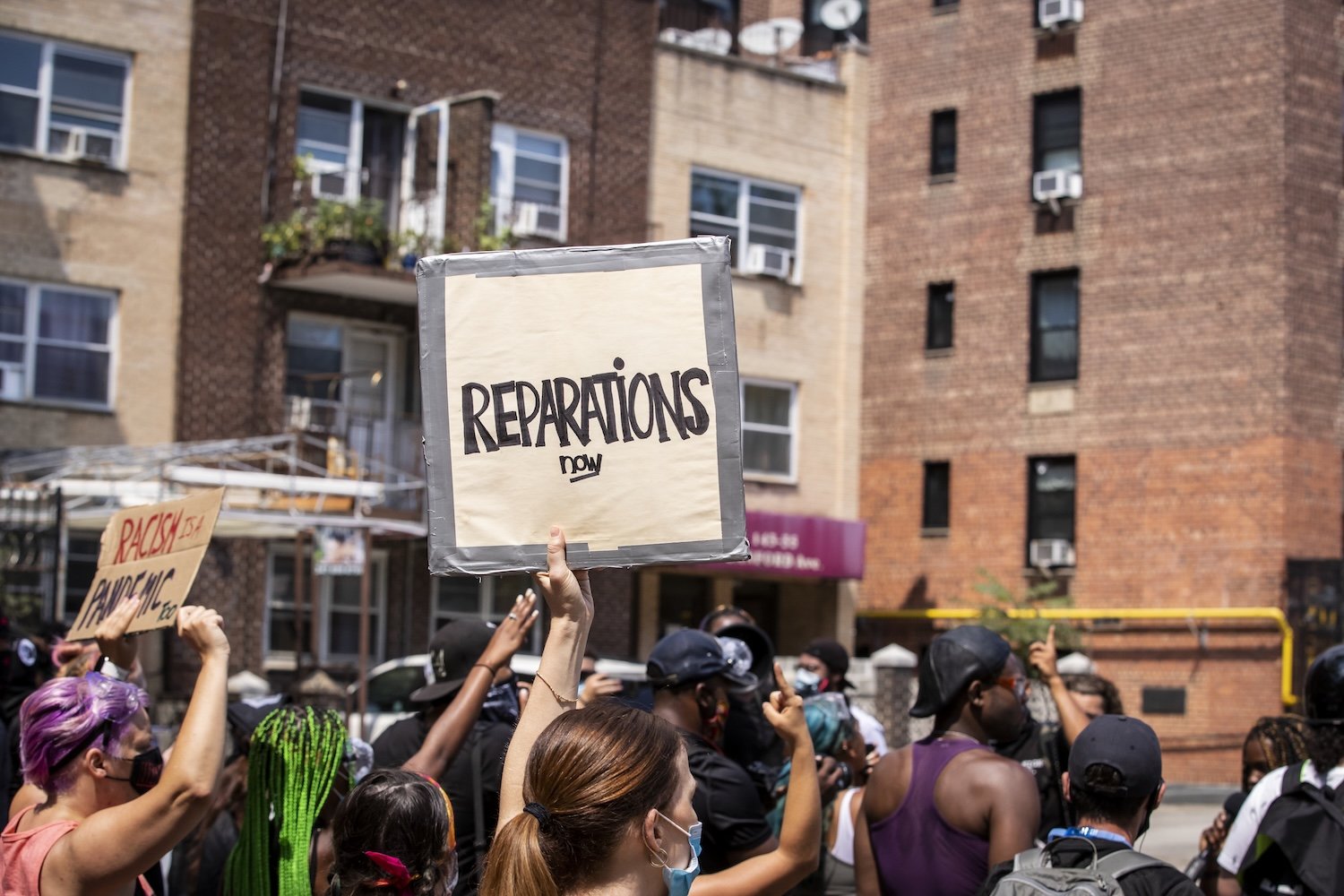
Organizers with New Yorkers for Reparations have been engaging constituents of New York’s 8th District - represented by Congressman Hakeem Jeffries - about what reparative justice means to them and the specific issues they want addressed. From housing, home ownership and neighborhood investment, to jobs creation, small business development and generational wealth-building, it is abundantly clear that New Yorkers see economic repair as an urgent policy priority that goes beyond cash payments.
Hear from Brooklyn resident Shakeima Clemente about her vision for repair and its connection to specific investments and measurable opportunities:
Homeownership and Housing
“We need stronger pathways for families who have historically been shut out of homeownership. That means down-payment assistance, first-time homebuyer programs, housing counseling, preservation of affordable housing, and resources that help families remain in their homes.”
Black-Owned and Local Businesses
“Economic repair should include access to capital. Small businesses need grants, affordable loans, technical assistance, commercial-space opportunities, and a fair opportunity to compete for government and institutional contracts.”
Job Training and Development
“Our residents should have direct pathways into careers that provide sustainable wages. I want to see investments in apprenticeships, construction, infrastructure, healthcare, technology, transportation, and other skilled-trade opportunities—with training connected to actual employment.”
Youth Education and Enrichment
“Economic repair must include our children and teenagers. We should expand paid internships, mentorship, career exposure, after-school programs, GED preparation, college preparation, and vocational training so that young people have legitimate opportunities before they are pushed toward poverty or the streets.”
Neighborhood and Community Investment
“If a community has experienced generations of disinvestment, we need to measure where public dollars are going and whether residents are actually benefiting. That means investing in safe housing, community facilities, parks, education, transportation, local businesses, and neighborhood infrastructure.”
Generational Wealth-Building
“We need programs that help families move from simply surviving to building assets. Homeownership, entrepreneurship, savings, financial education, retirement preparation, and access to capital should all be part of the conversation.”
Community Involvement & Oversight
“Residents should not have economic-repair policies designed for them without their voices being heard. Community members, small-business owners, parents, young people, homeowners, renters, faith leaders, and neighborhood organizations should have meaningful opportunities to identify priorities and evaluate whether programs are actually working.”
